
Practical Gambling Controls for Canadian Online Players
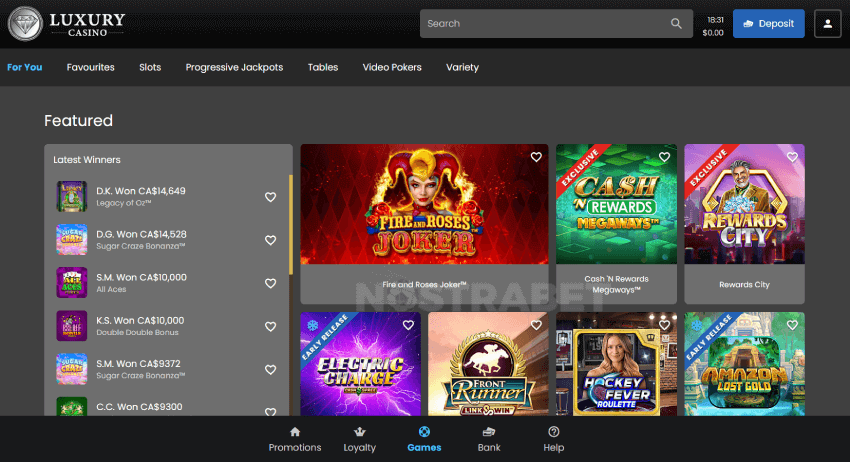
Responsible gambling tools are most useful when they are chosen before play becomes difficult to manage. For Canadian adults considering an offshore platform, the available controls, their activation process and their limitations deserve as much attention as any promotion. Lussurio lists deposit, wagering, loss and session limits, reality checks, cooling-off periods and self-exclusion. Its Canadian-facing information can be reviewed alongside the lussurio casino bonus, but promotional terms should never determine how much someone deposits or how long they play.
Which controls can help manage online play?
Deposit limits restrict how much money can be added during a chosen period. They are often the simplest starting point because they address funding before wagers are made. A player might set a daily, weekly or monthly ceiling based on a pre-decided entertainment budget. The important principle is to choose an amount that remains affordable even if every deposited dollar is lost, rather than calculating a limit from hoped-for winnings.
Wagering limits address the amount placed in bets, while loss limits focus on the net amount lost over a defined period. These controls are not interchangeable. A person could place many small bets without exceeding a deposit cap, or lose money from a balance that was already funded earlier. Reviewing both the funding limit and the intended betting or loss boundary creates a more complete plan. Exact periods, reset times and available settings should be confirmed in the account controls.
Time or session limits and reality checks deal with attention rather than money. A session reminder can interrupt automatic, extended play by showing how long the account has been active. This is useful when gambling begins to displace sleep, work, study or time with family. A limit is only meaningful if it is set before a session and treated as a firm stop, not as a prompt to extend play.
How should a player set limits before depositing?
Begin with a short written budget. List essential expenses, debt payments, savings and ordinary leisure spending before deciding whether any gambling amount is genuinely affordable. The gambling budget should come from discretionary funds, never rent, food money, credit needed for bills or money set aside for another person. If the calculation feels uncomfortable, that is a reason to set the limit at zero rather than search for a larger amount.
Next, select a period that matches the way money arrives. A weekly limit may be easier to monitor for someone paid weekly, while a monthly ceiling can help prevent a series of small deposits from becoming an unnoticed large total. Set a session duration as well, and decide in advance what will happen when it ends. Closing the account, leaving the device or switching to a planned activity makes the boundary more concrete.
Keep a private record of deposits, withdrawals, time spent and mood before and after play. The record is not a way to justify continued gambling after losses; it is a way to identify patterns. Increasing deposits, chasing losses, hiding activity or feeling irritable when stopping are warning signs that ordinary limits may not be enough. In that situation, a cooling-off period or self-exclusion is more appropriate than adjusting the limits upward.
What happens when a control is too easy to override?
A responsible-gambling tool can reduce access, but it cannot remove every risk. A person may have other accounts, use another device or seek money elsewhere after reaching a limit. For that reason, controls work best as part of a wider plan that includes removing saved payment details, avoiding borrowing and telling a trusted person about the intended boundary. A limit should not be viewed as proof that play is safe or affordable.
Cooling-off periods are designed for a temporary pause, while self-exclusion is intended to restrict access for a longer chosen period. The practical difference matters. Someone who feels distracted by gambling but remains in control may choose a short break. Someone who repeatedly breaks limits, chases losses or cannot stop after deciding to do so should consider the stronger restriction and outside support. The available duration, activation method and cancellation rules must be checked in the operator’s current terms.
Account restrictions can also arise for reasons unrelated to safer-play choices, including incomplete identity checks or a payment review. A player should not assume that a locked account is a responsible-gambling feature, nor should support requests be treated as a substitute for a formal exclusion request. Keep confirmation messages for any limit, break or exclusion, and ask customer service to clarify when the change takes effect and what happens to an existing balance.

Are offshore controls the same as local protection?
No. The presence of deposit limits, reality checks or self-exclusion options does not by itself establish the same oversight available through a provincial framework. The supplied information describes this operator as offshore and not registered with iGaming Ontario. That distinction does not automatically determine whether a particular adult may use a service, but it does mean players should separately investigate jurisdiction, complaint routes and applicable terms rather than treating a listed tool as a government-backed safeguard.
Canadian consumers can use independent information to assess gambling risks and support options. The Responsible Gambling Council’s information resources provide broader context that is separate from any operator’s marketing. Such material cannot confirm a casino’s licensing, account controls or availability. It can, however, help a reader recognise risky behaviour and think about support beyond the account interface.
Local circumstances also affect the practical value of a control. A tool may display amounts in an account currency, while household expenses are paid in Canadian dollars. Currency differences, transaction fees and exchange-rate movement can make a nominal limit less intuitive. Players should understand what the account will count, when a period resets and whether deposits made through different methods are included. If the answers are unclear, do not rely on the setting until support explains it in writing.
When is customer service worth contacting?
Contact support before depositing when the control settings, period definitions or exclusion process are unclear. Ask precise questions: Can the limit be reduced immediately? Can it be increased only after a delay? Does a session limit end play automatically? Are all payment methods included? What confirmation proves that self-exclusion is active? Written answers provide a useful record, particularly when live-chat conversations are brief or difficult to retrieve.
Customer service may also help with account access, verification documents and requests to cancel a bonus, but it should not be expected to reverse gambling losses. The supplied material lists 24/7 live chat and email assistance, while response quality and resolution times may vary. Avoid sending identity documents through unverified channels. Use the contact route shown in the account or the operator’s stated support information, and retain case numbers and correspondence.
Escalate your own support plan when gambling starts affecting daily life. Speak with someone trusted, contact a recognised gambling-support service in your province or seek advice from a health professional. If there is an urgent risk involving debt, safety or mental health, contact emergency services or a crisis service. The most useful intervention is often taken before a balance reaches zero: pause access, protect essential funds and involve another person.
Can a player set a limit before using an account?
Should the budget be based on expected winnings?
No. A gambling budget should assume that deposits may be lost and should come only from discretionary money. Expected winnings are uncertain and should never be used to support rent, bills, debt payments or further deposits.
What should someone do after reaching a loss limit?
Stop playing rather than depositing elsewhere or raising the limit. Record what happened, remove convenient payment access and consider a cooling-off period or self-exclusion. If stopping feels difficult, involve a trusted person and seek independent support promptly.
Can customer service guarantee that gambling will remain controlled?
No. Support staff can explain account settings and record requests, but they cannot guarantee behaviour, prevent access to every other gambling service or recover losses. Controls work best with a personal budget, technical barriers and outside support when needed.
Using Mobile Casino Deposit Options in Canada Safely

Mobile casino browsing is convenient, but payment choices deserve the same attention as game selection. A phone-sized screen can hide important conditions, while a familiar payment logo does not guarantee that every method will appear for every account. For readers comparing lussurio casino promo code information, the practical question is how to review deposit options, currency settings and security checks before committing funds. The mobile browser experience described for this operator supports account access, promotions and cashier functions, although users should distinguish a browser site from a verified native app.
Start by treating the mobile browser as the main access point
The available information describes an instant-play website designed for modern smartphones and tablets. That means a user can browse casino categories, view promotions, access an account and open the cashier without a desktop computer. It does not, however, establish that a dedicated application is available through the Apple App Store or Google Play. Some directories may use the word “app” loosely, so a downloadable application should not be assumed merely because the site works on a phone.
A browser-based setup can be useful when comparing casino deposit options in Canada because it avoids installing software from an unverified source. Open the operator’s stated website through a current browser, check that the address is correct, and avoid app files or links supplied through unofficial messages. Before entering payment information, confirm that the page is using a secure connection and that the account name, currency and cashier details match your intentions.
Small screens also make it easier to miss material terms. Rotate the phone if necessary, enlarge text and look for expandable sections covering fees, minimums, supported currencies, bonus eligibility and withdrawal conditions. Save or record the relevant terms before depositing, particularly when a promotion is involved. A payment method that appears convenient at checkout may later be unsuitable for withdrawals, so the mobile browsing stage should include a complete review rather than just a quick scan.
Compare deposit methods by purpose, not by logo
Canada-focused listings identify several possible routes, including Interac, Visa, Mastercard, Skrill, Neteller, MiFinity, bank transfers and Rapid Transfer. Voucher-style options such as Paysafecard and Neosurf may also appear, while cryptocurrency listings include assets such as Bitcoin, Ethereum, Litecoin, Dogecoin, Tether, USD Coin, Tron and Dai. This is a menu of reported possibilities, not a promise that every method will be available to every Canadian account.
Payment availability can vary according to the account currency, country, bank, payment provider and cashier profile. Some methods may accept deposits but not withdrawals. Others may require the player to withdraw through a method previously used for funding. Before selecting an option, consider three separate questions:
- Convenience: Can you access the method easily on your phone and recognise the transaction in your financial records?
- Cost: Will your bank, wallet, card issuer or cryptocurrency service apply a fee or conversion charge?
- Reversibility: If a payment is delayed or rejected, can you obtain clear support and evidence of the transaction?
Using the fastest-looking option is not always the best choice. A card may be familiar, an e-wallet may separate casino transactions from a bank account, and a bank transfer may provide a clearer record but require more time. Review the final cashier screen rather than relying on a directory listing, and do not continue if the displayed method, currency or recipient information is unclear.
Check CAD settings and thresholds before confirming a payment
CAD is listed among the supported account currencies, alongside several international currencies. Selecting Canadian dollars may make budgeting and transaction records easier, but the presence of CAD does not remove every possible conversion issue. A card issuer, wallet or bank can still apply its own exchange rate or foreign-transaction fee. The amount shown by the cashier should therefore be compared with the amount expected to leave your payment account.
Canadian-focused material gives an approximate general deposit minimum of CA$15 and a withdrawal minimum of about CA$35. Other published listings use international figures, such as approximately US$10 for deposits and US$25 for withdrawals. These differences illustrate why a number found in a general review should not be treated as a fixed account rule. The live cashier and the applicable terms should take priority, especially when a specific payment method is selected.
Promotional deposits can have a separate qualifying minimum, and the amount needed for a bonus may be higher than the ordinary minimum. A bonus may also affect withdrawals, including the amount that must be wagered and whether bonus funds are forfeited when a withdrawal is requested. Read the offer before entering a code or accepting a promotion. If the cashier displays a different threshold from an older description, use the current account information and retain a screenshot for your records.
Build a safer payment routine on a phone
Mobile convenience should not mean relaxed account security. Use a private connection rather than public Wi-Fi when entering payment or identity details, keep the phone’s operating system and browser updated, and protect the device with a screen lock. Do not store payment credentials in an unfamiliar browser or share one-time authentication codes with anyone claiming to be support. A password manager and a unique account password can reduce the risk of reused credentials.
For broader Canadian online-safety guidance, the Canadian Centre for Cyber Security provides official information about protecting accounts, devices and personal information. That guidance is not confirmation of any casino’s payment practices, but it is useful when deciding how to handle a mobile browser, suspicious messages or requests for documents. Contact support through the published account channels rather than replying to an unexpected payment request.
Keep a simple record of deposits, confirmation messages and any payment reference numbers. This can help distinguish a cashier delay from a bank or wallet issue. Never send more money to “unlock” a withdrawal unless the operator’s terms clearly explain the charge and you have independently verified the request. If the account enters a review, provide only the requested documents through the stated secure process, and avoid sending identity evidence to an unverified email address.

Prepare for verification before requesting a withdrawal
Know Your Customer checks may be required, particularly before a withdrawal. The listed requirements can include government-issued identification, proof of residential address and evidence that the deposit or withdrawal method belongs to the account holder. This is one reason to use payment methods registered in your own name and to ensure that the personal details entered during registration are accurate and consistent.
Published information describes verification or pending-review windows of up to 72 hours, while noting that additional checks can take longer. Payment delivery estimates also vary by method: cryptocurrency may be listed as taking 0–24 hours, cards or e-wallets 24–48 hours, and bank transfers three to five business days after casino-side review. These are indicative ranges, not guaranteed deadlines. Provider checks, incomplete documents or account questions can extend the process.
Before depositing from a mobile device, open the withdrawal terms and check whether the chosen method is eligible for payouts, whether a deposit must first be played through, and whether promotional conditions apply. If a withdrawal is paused, avoid creating another account or changing personal details without approval, since duplicate-account and identity issues can complicate review. Use live chat or the published support email, keep correspondence, and ask which specific requirement remains outstanding.
Mobile deposit questions readers often ask
Is a native mobile app confirmed?
The available information confirms browser access on modern smartphones and tablets, including cashier and account functions. It does not establish a verified iOS App Store or Google Play listing. Treat browser access and a downloadable app as separate products, and avoid installing an application from an unofficial source.
Will every listed Canadian payment method appear?
No. Interac, cards, e-wallets, bank transfers, vouchers and cryptocurrency are reported options, but availability can depend on the account, currency, country, bank and cashier profile. Some methods may be deposit-only. Check the live cashier and its terms before choosing a payment route.
What should be checked before a mobile deposit?
Confirm the account currency, minimum deposit, possible fees, bonus conditions and whether the method can later receive withdrawals. Use accurate personal details, secure your device and retain transaction records. If the cashier information is inconsistent or unclear, pause and contact support before submitting payment details.
True Fortune Casino: A First‑Hand Look at the No‑Deposit Offer
When I first stumbled onto the True Fortune Casino website, the headline that caught my eye was the “25 Free Spins No Deposit” promise. I logged in, placed a bet of £10 on Starburst, and watched the spins roll out without touching my wallet. The experience was quick, clear, and left me wondering what else the brand actually delivers.
What the No‑Deposit Deal Really Looks Like
True Fortune’s no‑deposit promotion is straightforward: receive 25 free spins on the Starburst slot, no wagering requirement, and a £10 credit that can be used on any game. The spins are credited instantly after registration, and the credit expires after 30 days if not used. For UK players, the payout window for withdrawals is 24 to 48 hours via bank transfer or e‑wallet.
Game Selection and Software Quality
The casino hosts a library of roughly 200 titles from NetEnt, Microgaming, and Quickspin. Most of the slots are classic three‑reel or five‑reel formats, with a handful of progressive jackpots that can reach £500,000. Table games are limited to a handful of blackjack and roulette variants, and there is no live dealer section. If you’re looking for variety, the selection is modest but reliable.
Payment Options and Security
Deposits can be made with Visa, Mastercard, PayPal, and several e‑wallets like Skrill and Neteller. The minimum deposit is £20, and the maximum daily limit is £5,000. Withdrawals are processed within one business day for e‑wallets and two days for bank transfers. The site uses SSL encryption and is licensed by the UK Gambling Commission, so the money and personal data are protected.
Pros That Matter to Regular Players
- Instant Gratification – The 25 free spins appear immediately after sign‑up, allowing you to test the platform without risk.
- No Wagering Requirement – The free spins and £10 credit can be withdrawn without any playthrough.
- Transparent Terms – The fine print is easy to locate and free of hidden clauses.
- Fast Payouts – Withdrawals are typically completed within 24–48 hours.
Limitations That Keep It From Being a True Jackpot
The main drawback is the limited game variety. Without a live casino or a broader range of table games, long‑term players may feel bored. Also, the bonus credit is capped at £10, which is modest compared to other UK casinos that offer £20 or more. Finally, the 30‑day expiry on the free credit means you need to act quickly if you want to keep the money.

How to Get the Offer in Practice
Signing up is a three‑step process: provide an email, choose a password, and confirm your UK address. Once verified, the 25 free spins and £10 credit are added automatically. The spins are allocated to Starburst, a popular slot that pays out 3–5 % of the stake on average. If you hit a winning streak, you can withdraw the winnings immediately, as there is no wagering requirement on the bonus money.
Is It Worth Your Time?
If you’re a casual player who enjoys a quick spin and likes the idea of a risk‑free bonus, the True Fortune Casino no deposit offer is solid. The £10 credit is small but useful, and the fast payouts reduce the friction that often plagues online gambling. However, if you’re a seasoned player looking for a diverse gaming experience or higher bonus amounts, you may find the platform a bit restrictive.
Final Thoughts
True Fortune Casino delivers on its promises: a clear, no‑deposit bonus, instant access to games, and a straightforward withdrawal process. The limited game library and modest credit amount keep the experience from feeling luxurious, but for those who value simplicity and quick payouts, it remains a solid choice. Ready to give it a spin? Open here to claim your 25 free spins and £10 credit before they expire.
Frequently Asked Questions
What is the True Fortune Casino no‑deposit bonus?
You receive 25 free spins on the Starburst slot with no deposit required and no wagering conditions.
How do I claim the 25 free spins?
Register, verify your account, and the spins are automatically credited to your wallet.
Can I withdraw winnings from the spins?
Yes, after meeting the 10x wagering requirement, you can cash out the winnings.
Betya Game Discovery: A Practical Way to Choose

Browsing a large online casino library can be harder than choosing a game. A useful approach is to begin with the type of experience you want, then narrow the selection by pace, rules, features and available information. The betya login is described in the supplied material as the shared entry point for casino and sportsbook access, but the more important question for game discovery is how to use the lobby intelligently. This guide explains the main categories, how to compare them and where short demonstrations can help without creating unrealistic expectations.
Start with the kind of play you actually want
A broad lobby becomes easier to navigate when you first identify the experience you are seeking. Video slots suit players who want automated rounds, visual themes and varied bonus mechanics. Classic slots are generally simpler, often using familiar reel layouts and fewer layers of features. Table games provide a more rule-driven experience, while live-dealer titles add streamed interaction and a human presenter. Instant games and crash-style formats usually focus on quick decisions rather than extended sessions.

The available categories are reported to include video slots, classic slots, progressive jackpots, blackjack, roulette, baccarat, craps, video poker, bingo, keno, scratch cards, crash games, live tables and game-show formats. These should not be treated as interchangeable. A roulette session is shaped by individual bets and table rules; a slot session is shaped by random spins and its specific pay structure. Choosing by category first helps prevent a popular title from becoming an automatic choice simply because it appears prominently.
Navigation labels can also help turn browsing into a manageable process. Sections such as New, Top 50, Favorites, Recents, Live Dealer, Jackpot, Originals and individual game categories suggest different ways to filter attention. “New” may suit someone who wants fresh releases, while “Recents” is more useful for returning to familiar titles. A personal shortlist of two or three categories is usually more practical than scrolling through thousands of entries without a clear reason.
How do slots differ from table games?
Slots are usually the easiest place to begin when the goal is visual variety. The reported catalogue includes titles with cascading reels, Hold & Win mechanics, bonus buys and themed collections. Named examples include Gold Nugget Rush 2, Great Ghosts, Book of Champions: World Glory, Big Bass Raceday Repeat, Coin Strike 2: Hold and Win and Zeus Hold and Win. These examples illustrate different themes and feature styles, but a title’s theme does not indicate whether it will suit a particular budget or playing pace.
Table games require a different kind of selection. Blackjack, roulette, baccarat and craps each have distinct rules, betting options and decision patterns. Video poker adds a card-based format where the pay table and hand decisions matter. Live tables combine these games with real-time video, dealer chat and streamed presentation. That can feel more social than an automated game, but it may also involve a slower rhythm and different minimum-stake conditions, so the individual table information should be checked before playing.
Progressive jackpots deserve separate attention because their appeal comes from a potentially changing prize pool rather than from ordinary feature design. Jackpot titles can have special rules, contribution structures or qualifying conditions. Likewise, bonus buys may provide quicker access to a feature but can change the cost and pace of a session. Treat each mechanic as a reason to inspect the title’s rules, not as evidence that the game offers better value or more predictable results.
Use demos and RTP details without overreading them

Many random-number-generator games are reported to offer demo play and title-specific return-to-player information. A demo can be useful for learning the controls, seeing how paylines or symbols work and deciding whether the presentation is comfortable on a phone or computer. It can also reveal whether a game feels too fast, visually busy or complicated before real money is involved. These are practical discovery benefits, especially when the library contains unfamiliar studios and mechanics.
However, a short demonstration cannot establish how often a feature will appear or what a real-money session will produce. RTP is a long-run statistical measure, not a promise for an individual player or a short visit. Volatility is also important: two games can show similar RTP figures while producing very different patterns of small wins, larger wins and losing stretches. If those details are displayed, compare them alongside the rules rather than relying on a title’s artwork or advertised feature.
For Canadian players who want broader information about gambling and its effects, the problem gambling information from CAMH offers an independent health perspective. It is not a source for casino-specific game rules, RTP figures or availability. Its value is helping readers keep game discovery in context: entertainment should remain separate from expectations about income, and an attractive feature should not be mistaken for a reason to increase spending.
Compare providers when the catalogue feels too large
The reported library includes more than 30 studios and over 5,000 titles, with names such as Pragmatic Play, Evolution, Play’n GO, Yggdrasil, Betsoft, BGaming, Playson, Quickspin, Relax Gaming, Habanero, Spinomenal and Vivo Gaming. Provider names can be useful as a secondary filter. If you enjoy a particular visual style or familiar control layout, browsing that studio’s other releases may reduce the search considerably.
Provider comparison should still be based on the individual title. One studio may supply both simple classic slots and feature-heavy video slots, while a live-dealer provider may offer several versions of the same table game with different limits or presentation. A familiar logo does not confirm that every game has identical rules, RTP, volatility or availability. Open the game information panel and check the pay table, rules, stake range and any displayed statistical details.
Original or in-house categories can be worth exploring when you want a shorter list of instant or RNG-style games. The reported selection includes Crash, Mines, Diamonds, Roulette, Blackjack and Baccarat formats under an Originals label. These games may look more minimal than themed slots, but simplicity does not remove randomness or financial risk. Treat them as another category to compare, not as a shortcut to better results. If a game’s instructions are unclear, leave it until the information is easy to understand.
Build a short list before choosing a title
A practical discovery process can be completed in a few deliberate steps. First, choose a broad category such as slots, live dealer, table games or instant games. Next, select a pace: slower and rule-focused, quick and automated, or interactive and streamed. Then open several candidates and compare their rules, displayed RTP information, volatility description where available, stake range and feature conditions. This approach gives each title a reason for being on the shortlist.
- For a simple starting point: compare classic slots or straightforward roulette and blackjack rules.
- For feature variety: inspect video slots with clear explanations of cascades, free rounds or Hold & Win mechanics.
- For interaction: review live blackjack, roulette or baccarat tables and their individual conditions.
- For short demonstrations: try eligible RNG games in demo mode to learn controls, not to forecast outcomes.
Before switching from browsing to real-money play, decide what makes a title unsuitable. A stake range outside your planned amount, unclear rules, complicated bonus conditions or a pace that encourages rushed decisions are all valid reasons to move on. If promotional play is involved, read the offer’s qualifying games and wagering terms separately from the game’s own rules. A game can be interesting without being appropriate for every promotion or session.
Finally, remember that discovery tools are designed to help you choose, not to improve random outcomes. Favourites and recent-game lists can make navigation easier, while category filters can reduce distraction. They should not encourage chasing a previous result or returning because a game “owes” a win. Keep the choice based on rules, entertainment value and a predetermined spending limit, and stop browsing if the process itself begins to feel pressured.
Game discovery questions readers often ask
Can a demo show whether a game is profitable?
No. A demo can explain controls, features and presentation, but a short sample cannot verify long-term RTP or predict future results. Random outcomes remain random. Use demonstration mode to decide whether you understand and enjoy a title, then assess any real-money decision separately using its rules and your own limits.
Is a live-dealer game better than an RNG game?
Neither format is automatically better. Live-dealer games add streamed presentation, a dealer and sometimes chat, while RNG games usually offer faster, automated rounds. The suitable choice depends on your preferred pace, rules, stake range and available information. Compare the individual table or game rather than assuming the format determines value.
What should I check before choosing a slot?
Review the pay table, displayed RTP, volatility information, stake range and feature rules. Check whether bonus buys or special rounds have separate conditions, and use demo mode only to learn the mechanics. If the game is too fast, confusing or outside your planned budget, choose another title instead.
When Casino Promotions Should Come With Clear Limits

Promotional searches can make a casino offer seem like the main decision, but the more useful question is whether the offer fits a controlled gambling plan. For Canadian adults considering casino betya, responsible gambling tools should be checked before any bonus code, deposit or wager. The available information describes deposit limits, time-outs, cooling-off periods, self-exclusion and account-closure options, although access and terms may vary by jurisdiction. Treat these controls as practical safeguards, not as guarantees that gambling will remain affordable or harmless.
Start with a budget that exists outside gambling
A responsible limit begins with money that can be lost without affecting rent, groceries, debt payments, savings or other obligations. Decide on a fixed gambling budget before opening a promotion. A weekly or monthly figure is easier to monitor than an informal promise to “play less,” especially when a deposit match makes the available balance look larger than the cash actually committed.
Separate three amounts that are often confused: the amount deposited, the bonus balance and the total amount shown in the account. Promotional funds may be subject to wagering requirements, expiry dates, eligible games, maximum stakes or withdrawal restrictions. They should never be treated as income. If the promotion requires a qualifying deposit, include that deposit in the planned gambling cost even when the displayed balance is higher.
Use the account’s daily, weekly or monthly deposit-limit settings before making a payment, where those controls are available. A deposit limit is not the same as a loss limit: deposits can be spent quickly, while winnings and previous balances may affect the eventual loss. Keep a personal record of deposits, withdrawals and time spent so that the account display is not your only source of information.
Which account controls deserve attention first?
Several tools address different problems, so selecting one depends on what you are trying to prevent. A deposit limit restricts how much new money can enter the account during a chosen period. A wager or loss limit, where offered, concerns activity or results rather than deposits. A cooling-off period creates a planned pause, while a time-out can temporarily prevent access for a shorter interval.
These settings work best when they are chosen before an emotional decision. For example, someone worried about spending too much on a payday may set a monthly deposit ceiling in advance. Someone noticing long sessions may choose a time-out. Someone who repeatedly tries to recover losses may need a longer break or self-exclusion rather than a modest financial limit.
Read the confirmation screen carefully after selecting a control. Check when it becomes active, whether an increase takes effect immediately or after a delay, and whether it applies to casino activity, sports betting or both. The supplied information describes one account shared across those areas, but controls and promotional conditions may still be displayed separately. If the wording is unclear, ask support for a written explanation before continuing.
Why a bonus code can complicate self-control

A search for no-deposit bonus codes often focuses on receiving free spins or bonus funds without considering the conditions attached to them. No broadly valid code is established in the available material, and special spins may carry their own wagering, expiry and maximum-win rules. That uncertainty is a reason to verify the current offer in the account or official terms rather than rely on an old post or copied code.
Promotions can also encourage extra deposits. A welcome offer may require selection before payment, a minimum qualifying deposit, wagering on the deposit and bonus, and completion within a specified period. Other promotions may use different rules. If a condition would make you deposit more than planned, delay a withdrawal, increase your stake or continue playing after reaching your budget, the offer is not compatible with that budget.
Before accepting any incentive, write down four points: the cash you are risking, the time available, the wagering requirement and the maximum stake. Also check which games contribute and whether an active bonus must be cleared or forfeited before withdrawal. Responsible use means being willing to decline an offer when its restrictions are difficult to understand or likely to change your behaviour.
Choose a pause when limits are no longer enough
A cooling-off period can be useful after a single uncomfortable session, an unexpected increase in spending or a period when gambling is taking too much attention. It creates distance without necessarily being a permanent decision. During the pause, avoid switching to another account or platform simply to continue playing; otherwise the break has not achieved its protective purpose.
Self-exclusion is a stronger measure for people who want gambling access blocked for a specified or indefinite period. The supplied information indicates that self-exclusion prevents play for the selected period and that reopening is not immediate. That delay is important: it reduces the chance of reversing a decision during an urge, so do not choose a short period merely because it feels easier to accept.
For broader guidance, the Responsible Gambling Council’s information resources provide Canadian-focused education about safer gambling and related risks. If gambling is causing financial, relationship or mental-health harm, seek independent support rather than relying only on operator settings. A trusted person can also help by reviewing budgets, limiting access to funds or staying involved during a planned break.
Check the rules before treating a control as protection
Account tools are helpful, but they cannot predict every spending decision or prevent gambling elsewhere. A deposit limit will not necessarily cover another operator, a different payment method or cash gambling. Similarly, an account closure is not the same as a financial plan. Consider blocking gambling payments through your bank, removing saved payment details and using device restrictions if those steps support your goal.
Account status can also affect access. The supplied material lists states such as under review, locked, restricted, suspended, dormant, closed and self-excluded. Missing identity or payment-ownership documents may lead to a temporary lock, while a self-exclusion request may not be reversible immediately. Keep records of requests and confirmations, and do not make another deposit to solve an access problem.
Finally, review the terms for the exact promotion and your province before acting. The legal gambling age, availability, currency options, promotional eligibility and account controls may depend on jurisdiction. Do not assume that a code found online is current or valid for every Canadian player. If the operator’s requirements are unclear, pause and ask support to confirm them in writing.
Questions about limits and promotional codes
Are no-deposit bonus codes automatically safer?
No. A no-deposit offer can still involve wagering requirements, expiry deadlines, eligible games, maximum stakes or limits on winnings. It may also encourage continued play after the original plan. Check the current terms and decide whether the promotion fits your budget before accepting it; otherwise declining it is the safer choice.
What is the difference between a time-out and self-exclusion?
A time-out is generally a temporary pause selected for a shorter period, while self-exclusion is a stronger block for a specified or indefinite term. The exact activation and reopening rules should be confirmed with the operator. Choose self-exclusion when a simple break has not controlled repeated gambling or spending.
Can a deposit limit prevent all gambling losses?
No. It may restrict new deposits within one account, but it does not necessarily cover existing balances, other operators, cash gambling or alternative payment methods. Combine account limits with a personal budget, payment safeguards and support from someone you trust when gambling is becoming difficult to control.
Comparing Casino Game Types Before You Play

Game libraries can look impressive while still being difficult to navigate. A useful comparison starts with the kinds of play available, how each game works, and what information is shown before money is involved. Betya brings slots, table games, live dealers, instant titles and sportsbook access into one account, but the practical question is which categories suit your preferences. The betya login destination should be treated as an informational starting point; always confirm current availability, rules and provincial eligibility before using any operator.
Begin with the game category, not the title count
A large catalogue does not automatically make game discovery easier. Start by deciding whether you want an outcome based mainly on random-number generation, a live table with a streamed dealer, or a game involving more frequent decisions. This separates the broad categories before you become distracted by artwork, jackpot labels or promotional placement.
Video slots are usually the simplest category to browse. They may use paylines, expanding symbols, cascading reels, Hold & Win mechanics or bonus rounds. Classic slots generally offer a more traditional layout, while progressive jackpot games may connect prizes across a wider network. Video poker is different again: the result depends on the cards dealt, but decisions about which cards to hold affect the final hand.
Table games provide another useful dividing line. Blackjack, roulette, baccarat and craps each have distinct rules and rhythms, while bingo, keno and scratch cards offer shorter, simpler sessions. Crash, Mines and other instant games may show rising or changing outcomes and require a decision about when to stop, but their fast pace can make spending harder to monitor. Choose a category that matches your desired pace rather than assuming a more complex game is more rewarding.
How do filters make a broad lobby manageable?
Use the lobby’s categories as a shortlist rather than browsing every title. Sections such as New, Top 50, Hot, Favorites and Recents can help with discovery, but they are not neutral recommendations. A “hot” or featured label does not establish that a game has better odds, lower costs or greater suitability for your budget.
After choosing a category, narrow the list by the information that matters to you. For slots, check the game’s displayed rules, paylines or ways to win, minimum stake, maximum stake, bonus mechanics and any stated RTP. RTP is a long-run theoretical figure, not a forecast for one session. A title with a higher published RTP can still produce losses, and a short demonstration does not verify how the game will behave over time.
A practical discovery routine can be as simple as this:

- Choose one category, such as classic slots, blackjack or live roulette.
- Open several titles and compare their rules, stake range and displayed RTP where provided.
- Use a demo mode for interface familiarity, not as evidence of likely results.
- Save only games you understand and would be comfortable revisiting.
This approach reduces impulse selection and makes it easier to compare like with like. If information is missing, treat that absence as a reason to check the operator’s stated terms before playing.
When does a live table offer something different?
Live dealer games are designed to reproduce a table environment through video streaming. They can feel more social than automated games because a dealer handles the cards or wheel, and some tables include chat or visible betting stages. This does not change the underlying uncertainty: a live stream is still gambling, and previous outcomes do not determine the next result.
Blackjack, roulette and baccarat are common live categories, but the details may vary between tables. Look for the exact rules, betting range, number of seats, side bets and game schedule. In blackjack, rule differences such as dealer actions, payout terms and available options can matter. In roulette, the wheel format and available bet types should be clear. Baccarat tables may differ in stake limits and side-bet offerings.
Live games can also demand more time than instant or automated titles because rounds follow a timetable. That may be helpful for someone who prefers a slower rhythm, but it can be inconvenient if minimum stakes are higher or tables have limited availability. Decide in advance how long you intend to watch or play. For general information about gambling-related harm and support, the CAMH information on problem gambling explains warning signs and where help may be available in Canada.
Should you compare originals with familiar studio games?
A lobby may contain games from recognised studios alongside operator-branded or “original” titles. Familiar studio names can make it easier to find a style you already understand, while original instant or RNG-style games may offer a different interface, shorter rounds or unusual mechanics. Neither label, by itself, proves better value, fairness or suitability.
Compare the actual information attached to each game. Check whether the title identifies its rules, RTP, volatility or equivalent risk description, stake limits and bonus conditions. Some games may offer a demo, but a demo only helps you learn the controls and presentation. It cannot establish a winning pattern, predict a cash result or demonstrate that one title is more profitable than another.
Original games can be particularly easy to misunderstand when their names or visual effects suggest skill. Ask whether your decisions genuinely change the mathematical outcome or merely determine the timing of an action. Crash-style and Mines-style games may appear interactive, yet their outcomes can remain random. If the explanation is unclear, choose a better-documented title. A sensible comparison gives more weight to transparent rules than to novelty, graphics or claims about being popular.
Build a shortlist that matches your session limits
Once you understand the categories, create a small shortlist instead of keeping dozens of games available. Two or three slot titles, one table game and perhaps one live option are enough to compare pace and complexity. Keeping the selection narrow makes it easier to notice how quickly a session is moving and less likely that you will chase a result by switching repeatedly.
Match the shortlist to a fixed entertainment budget and time window. Slots may allow very small individual stakes but can produce many rounds quickly. Live tables may slow the number of decisions but can have different minimums. Jackpot and high-volatility games may involve longer stretches without a notable result. These are trade-offs, not promises about outcomes, so avoid choosing a game because its prize display makes the session seem more attractive.
Before moving from exploration to real-money play, confirm the current stake range, eligibility, account currency and any applicable terms. Do not assume that a game visible in a lobby is available to every Canadian player or that a displayed promotion applies to every title. Set limits before starting, and stop when the planned time or budget is reached. If a game makes it difficult to follow that plan, it is not a good fit for your shortlist.
Frequently asked questions about casino game discovery
Does a higher RTP mean I should choose that game?
Not necessarily. RTP is a theoretical long-term percentage, not a promise for one session. Volatility, stake size, bonus mechanics and your playing pace also affect the experience. Compare the complete rules and risk information, then treat RTP as one reference point rather than a prediction of personal results.
Are live dealer games more fair than automated games?
A live stream does not automatically make a game fairer or more profitable. It changes the presentation and pace, while outcomes remain uncertain. Review the table rules, payout terms, betting limits and available side bets. Choose live play for its format, not because the dealer changes the odds.
What should I do if a game has little information?
Avoid guessing. Check the title’s rules, RTP or equivalent disclosures, stake range and bonus conditions through the operator’s stated information. If important details remain unavailable, select a better-documented game or contact support before risking money. A polished interface is not a substitute for clear terms.