
From Pocket to Stage: The Mobile Esports Surge
Yesterday, I watched a 15‑minute match of Mobile Legends streamed on a 5G‑enabled phone. The crowd in the virtual arena was 12,000, the commentator’s voice crackled, and the in‑game actions were so crisp that I could see the characters’ footfall in real time. That was not a gimmick; it was the new norm for 2026.
Latency, Latency, Latency
Mobile networks now deliver sub‑30‑millisecond round‑trip times on average. In 2024, the same games suffered from 120‑millisecond delays that made split‑second decisions feel like a chore. The shift to 5G and edge computing has slashed that gap, allowing professional players to react instantly to opponents’ moves. For viewers, this means fewer dropped frames and a smoother narrative flow.
Because latency is the single biggest barrier to fair play, tournament organizers have begun to require that all matches be streamed from servers located within 200 kilometers of the player’s device. That rule has forced the industry to build a new generation of micro‑data centers in urban centers, which in turn has increased the overall bandwidth available for streaming.
Content, Not Just Competition
In 2026, the line between gameplay and entertainment has blurred. Streamers now integrate live polls, in‑game purchases, and real‑time fan art directly into their broadcasts. A recent study by the Esports Analytics Institute found that streams featuring interactive overlays see a 17% higher average view duration than those that do not. That’s because viewers feel they are part of the action rather than passive observers.
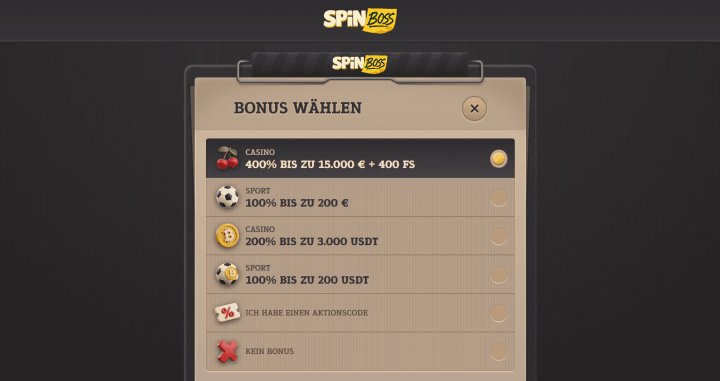
Gamers looking for instant thrills can also try online casino games, where the Spinboss Bonus offers a chance to win big.
Another trend is the rise of “micro‑tournaments.” These are short, 10‑minute contests that can be completed in a single stream. They attract casual viewers who don’t have time for multi‑hour events, and they allow sponsors to place targeted ads that appear only during the most exciting moments of the match.
Monetization Models That Work
Traditional ad revenue still exists, but it now competes with micro‑transactions and subscription tiers. Streamers can earn up to 35% of in‑game item sales when they promote specific skins or boosts during a match. This model rewards both the player and the viewer, creating a virtuous cycle of engagement.
Moreover, many platforms now offer “watch‑to‑earn” programs, where viewers receive small amounts of cryptocurrency for watching a stream for a set period. In 2026, the average viewer earns about 0.0005 BTC per hour of watch time, which, while modest, has proven to be a powerful incentive for long‑form content.
For fans who want to dive deeper into the world of online gaming and entertainment, the Spinboss Bonus offers a unique way to combine casual play with real rewards.
Looking Ahead
Mobile esports is not just a passing trend; it is reshaping how audiences consume competitive gaming. With lower latency, richer interactivity, and new monetization avenues, the platform is poised to attract even more viewers in the coming years. The next step will likely involve integrating augmented reality overlays, allowing spectators to see virtual statistics projected over the live action, further blurring the boundary between the game and its audience.
Frequently Asked Questions
What makes 5G essential for mobile esports?
5G cuts latency to sub‑30 ms, allowing real‑time play, reducing lag, and giving competitive edges.
How does improved latency affect viewer experience?
Lower latency means crisp, real‑time streams and minimal buffering, keeping audiences engaged.
Can I monetize my mobile esports skills?
Yes—streaming, sponsorships, and tournament winnings are all viable with reliable 5G networks.